


A building-wide access control system can benefit many households and business facilities. These systems may even be necessary for business security systems that handle highly confidential or sensitive information. Whether you’re a homeowner with an average household or a business owner overseeing hundreds of employees, you want to have peace of mind knowing they’re protected. An access control system ensures your family and staff members are safe while also securing any equipment, information, data or other valuable assets inside the building.
Access Control
Business Access Control Systems
Our professional access control service, support, and monitoring will ensure that your business, no matter how big or small, is locked down and secure.

Keep Track on Who is Entering Your Business
Access control systems provide residential and commercial properties near Lynn, MA with increased life safety and data protection against various intruders. The nature of your business, existing security procedures, and the number of system users can influence the type of access control you need. Homeowners and local businesses with fewer employees may prefer a user-friendly model, while large-scale corporations may require a more complex system.
With Wayne Alarm’s access control systems, only authorized individuals are granted entrance into your building. Different groups or access levels can be assigned based on a person’s role in your household or company. Similarly, the areas accessed by executives may vastly differ from those accessed by other employees, and both should have greater clearances than those given to vendors and freelancers.

What You’ll Get With Wayne Alarm Access Control Systems


Common Questions About Access Control Systems
Access control is a form of electronic security used to identify authorized individuals and authenticate them for access. The essential components of an access control system include:
- Admin facing: The access management dashboard and any integrating database services or API used to automate authorization
- User facing: Consists of all user credentials and the access control readers or keypads used to authenticate them
- Infrastructure: Vital yet generally unseen components such as the electronic locks, access control panels and access control servers
When adding access control to a home or business facility, you’ll want to start with the authorization phase. You can set the parameters of who, when and where access is authorized. The access management dashboard allows you to add new authorized entrants or restrict user access whenever necessary. While specific access control systems will enable you to grant permissions based on select roles, others offer fewer restrictions by assigning access based on the individual.
Access control readers and keypads give authorized members access to the premises. Everyone with authorization must receive established credentials that ensure the system recognizes them as an authorized entrant. Every credential is personalized with a specific user’s data. This way, you can trace all control doors’ lock access back to the associated user — including any unauthorized attempts or suspicious behaviors.
Access control systems provide residential and commercial properties with increased life safety and data protection against various intruders. The nature of your business, existing security procedures and the number of system users can influence the type of access control you need. Homeowners and local businesses with fewer employees may prefer a user-friendly model, while large-scale corporations may require a more complex system.
The three variations of access control include:
- Discretionary Access Control (DAC): The owner has complete control over the system’s programs and files. They can set security level settings for all other users independently from one another. While DAC is the least restrictive option, it’s best used for basic applications due to its higher risk of malware attacks.
- Managed Access Control (MAC): All users are classified by their user data and given access according to levels. The owner has limited control over who has access to the building. Instead, access is restricted by a security policy, hardware component or software component. MAC emphasizes confidentiality, making it ideal for businesses with sensitive information.
- Role-Based Access Control (RBAC): The system administrator grants access according to the individual’s role. Each user is assigned a role within the household or company, and permissions are based on the job responsibilities. This model is user-friendly because administrators can centrally manage the permissions of an entire job title.
Your access control systems can utilize various credential types, including:
- Access cards
- ID badges
- Key fobs
- Smartphone apps
- Passwords
- PINs
- Biometrics, like fingerprints
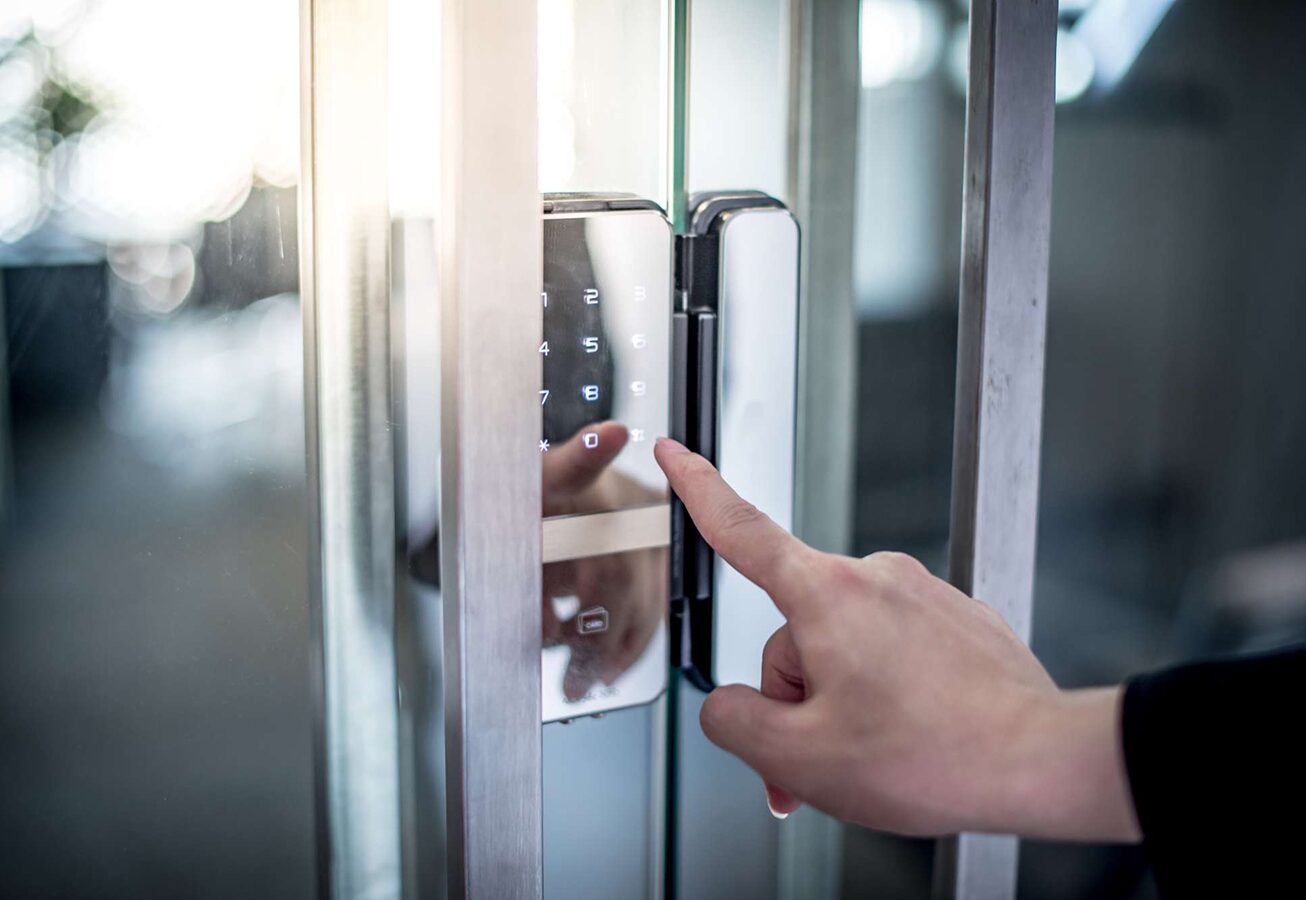
Keyless entry systems are often favored for their quick, contact-free design. Options like access cards, ID badges, and mobile apps can use proximity to prevent germ spread while maintaining adequate security. Hold your keyless entry credential two to six inches before an access control reader. It’ll identify the credential’s data, trace it back to the owner and send a request for the server network to unlock the door. Some access control systems use keypads instead of card readers and require PIN or biometrics to admit entrance.
Our Testimonials
See What Our Customers Are Saying…

Choose Wayne Alarm for Your Access Control Needs
Wayne Alarm Systems has a tradition of providing reliable security solutions to New England businesses. For over half a century, we’ve dedicated our services to installing and improving security systems in Lynn, MA and across greater New England. Our expertly designed remote access control business systems can give you more control over the security of your home or business than you ever imagined. Contact us for more information and a free quote on access control systems today.


