

Signs of a Carbon Monoxide Leak in Your Home
Causes and Signs of a Carbon Monoxide Leak
Carbon monoxide (CO) leaks are a silent but serious concern for homeowners. This gas can creep through your house undetected and pose a threat to your loved ones. Understanding the dangers and recognizing the warning signs helps you defend your home against an invisible enemy.
This guide empowers you with the information you need. Learn what can cause a CO leak, some signs to look for and leak prevention methods. By taking the right steps to prevent leaks, you can protect your family from this “silent killer.”
What Is Carbon Monoxide?
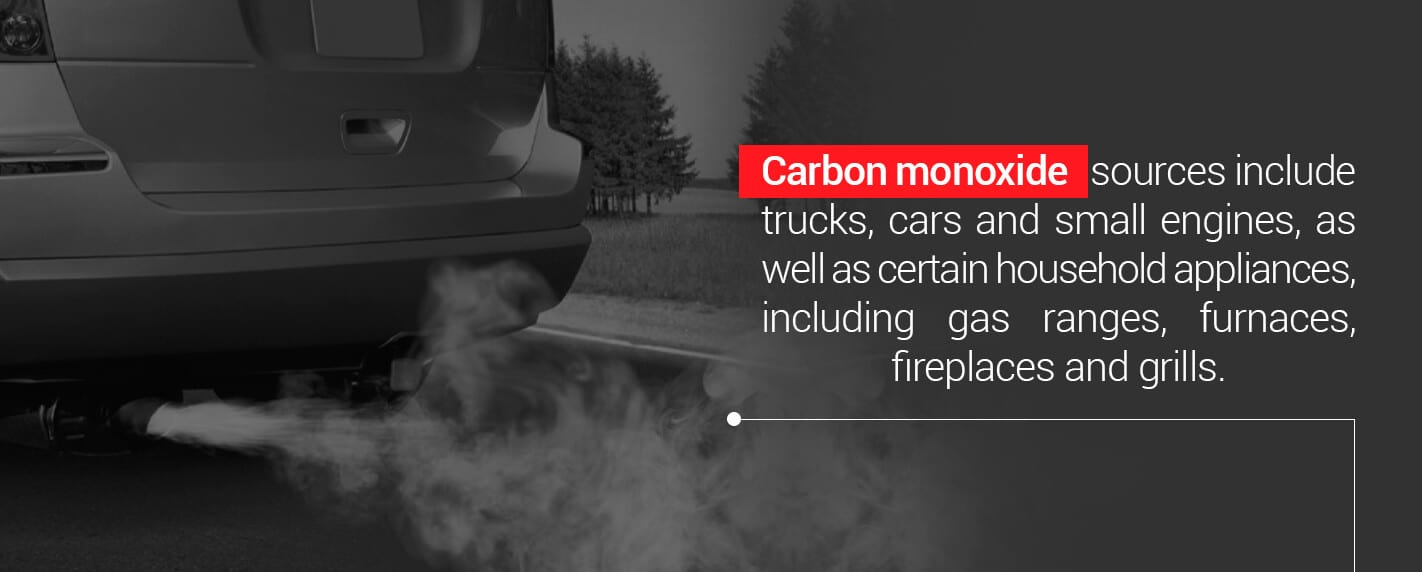
Carbon monoxide is a colorless, odorless gas produced by burning fuel. All fuel-burning appliances and vehicles produce CO, including gas ranges, furnaces, fireplaces, grills and cars. Most fuel types release CO. If you use natural gas, gasoline, coal, charcoal or wood in or around your home, you have at least one possible source.
What Does Carbon Monoxide Smell Like?
By itself, carbon monoxide is odorless. While CO buildup may feature accompanying exhaust gases that have a noticeable smell, you shouldn’t rely on the exhaust odor to detect carbon monoxide.
CO’s odorless nature is one reason it is so dangerous. Since you can’t smell, see or taste it, you need other means to detect a leak in your home.
What Are the Signs of Carbon Monoxide in Your Home?
Awareness of your surroundings can help uncover CO leaks in your home. To detect carbon monoxide, look for these visual cues:
- Flame color changes: Gas appliances burn with a blue flame. Yellow or orange flames can signal the presence of carbon monoxide.
- Marks or discoloration: Check for brown or sooty stains on equipment, chimneys or fireplaces.
- Condensation: Look for excessive condensation on or around your appliances.
- Pilot light issues: Does your pilot light keep going out? CO may be to blame.
- Back drafts: Pay attention to the flame on your fuel-burning appliances. An overabundance of CO can cause the flame to flare up when you open a door or window.
You can also keep CO poisoning symptoms in mind. If you suspect carbon monoxide poisoning, leave your house and seek medical attention. Quick action reduces the risk of serious consequences.
What Are CO Poisoning Symptoms?
Breathing in CO inhibits your blood’s ability to carry oxygen. Prolonged exposure can cause carbon monoxide poisoning. While many patients fully recover, carbon monoxide poisoning can also cause permanent brain damage or death.
The symptoms of CO poisoning can mimic the flu or a hangover. This similarity makes it difficult to identify the signs until it’s too late. Be aware of the following signs of carbon monoxide poisoning:
- Weakness and dizziness
- Headache
- Nausea and vomiting
- Breathlessness and chest pains
- Confusion
- Fainting or collapsing
Will Opening Windows Prevent Carbon Monoxide Poisoning?
While opening windows may help slow CO buildup, the time it takes for CO to dissipate from an enclosed space entirely depends on the amount of fresh air passing through the window. Additionally, there is no guarantee that CO will flow toward the window. Opening windows should be treated as an extra layer of protection rather than your primary method of preventing CO poisoning.
What Causes a Carbon Monoxide Leak?
CO leaks may result from:
- Faulty or poorly maintained fuel-burning appliances: Furnaces, water heaters, stoves, ovens, fireplaces and space heaters are common culprits.
- Chimneys and flues: If chimneys and flues become damaged or blocked by debris — like bird nests or leaves — CO can build up inside the home.
- Inadequate ventilation: Using fuel-burning appliances in a space without proper ventilation can lead to CO accumulation. This is especially true of portable generators.
- Running a car inside the garage: Even with the garage door open, CO may enter the home.
- Using a charcoal grill indoors: Finally, using a charcoal grill indoors produces a lot of CO.
How Can You Prevent a Carbon Monoxide Leak?
Taking precautions can help protect you and your loved ones from harmful CO leaks. Follow these tips.
1. Know Your Home
Note which appliances in and around your house produce carbon monoxide. Keep a watchful eye on them for any signs of leaks.
Walk around your home and, if you need to, write down all the appliances that fall into this category. Some homes will have several, while others may only have one. It’s highly unlikely that you won’t have at least one appliance or spot in your home that puts you at risk for CO poisoning, so make sure you take the time to investigate.
2. Install Carbon Monoxide Detectors
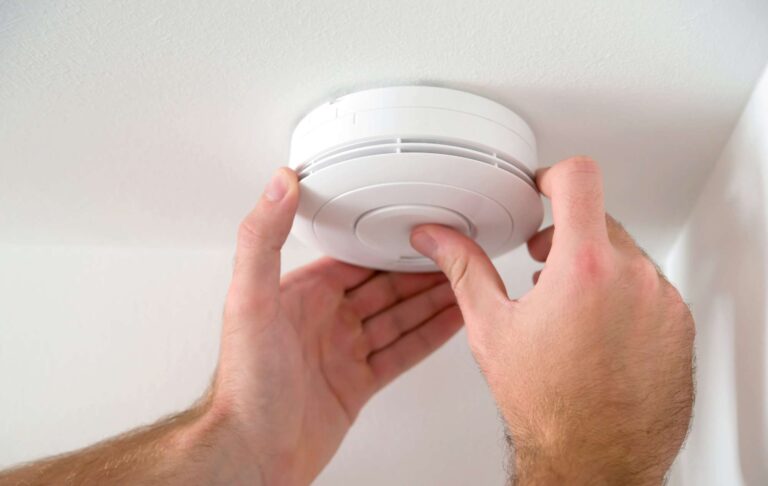
The most effective way to check for carbon monoxide is with a carbon monoxide detector. These devices use sensors to measure the amount of CO in the air and alert you if they are too high. This early warning gives you time to evacuate. Many states require CO detectors in residential buildings. For example, Massachusetts law requires carbon monoxide alarms on every level of your home.
Follow these CO detector best practices:
- Placement: Install a device on each floor of your home. Place detectors within 10 feet of bedroom doors and at least 15 feet away from fuel-burning appliances.
- Device types: Choose between plug-in, hardwired or battery-powered CO detectors. Plug-in detectors need power to operate. Battery-powered devices work without electricity. Hardwired alarms connect to your home’s electrical system.
- Maintenance: Inspect and test your detectors often. A good rule of thumb is to replace the batteries in your CO detectors during daylight saving time changes in March and November.
- Replacement: Depending on the make and model, you may need to replace your CO alarm every five to 10 years. Follow the manufacturer’s instructions for your device.
- Consider interconnected detectors: This way, if one alarm sounds, they all sound. Test your detectors at least once a month.
3. Service Fuel-Burning Appliances Regularly
Appliances should be serviced every year to prevent a break or malfunction that could result in a CO leak. While it can be tempting to put off preventive maintenance, neglecting it can result in broken pipes or vents that leak CO into your home.
When it comes to handling appliances, remember to:
- Get professional servicing and cleaning for your furnace, water heater and other appliances.
- Use fuel-powered space heaters in areas with good ventilation.
- Refrain from using portable fuel-powered heaters or lanterns in enclosed sleeping areas, including tents and campers.
- Hire a professional to check a gas-powered refrigerator if you notice an odd smell.
- Buy fuel-powered appliances or equipment with the Underwriters’ Laboratories seal.
- Avoid using a gas oven or range as a heat source.
- Refrain from using a gas camp stove in an enclosed area.
- Use the proper fuel type for kerosene space heaters.
- Ensure your wood stove is the correct size and Environmental Protection Agency (EPA) emissions certified.
4. Make Sure Appliances Have Proper Ventilation
Ensure that your gas appliances are properly ventilated. If you can, hire a professional to install them. At the very least, have them inspected to ensure the proper ventilation and prevent CO leaks.
5. Schedule Regular Chimney Inspections
Have your chimney checked and cleaned once per year. This prevents a buildup of debris and dirt that can trap CO and send it back into your house. To prevent carbon monoxide poisoning with fireplaces that burn wood, always open dampers before use. Keeping wood-burning fireplaces in good repair is essential, just as you should with your other fuel-burning appliances.
6. Practice Safe Generator Use
If you use a generator indoors, it should be at least 20 feet away from windows, doors or vents. Always ensure you have at least one working battery-powered or battery-backup CO detector to alert you if the generator is increasing the CO levels in your home.
7. Don’t Cut Corners
If you discover that a vent pipe is cracked or broken, never patch it with tape or gum. Using these to patch a hole can result in a buildup of carbon monoxide in your home. If you don’t know the correct way to repair these types of pipes, call a qualified professional to repair the pipe and make sure it can safely vent CO out of your home.
8. Never Grill Indoors
Charcoal, propane and other gases that fuel grills and camp stoves release CO. If used indoors, the buildup can reach dangerous levels. Stick to grilling outside!
9. Open the Garage Door
Starting a car, or even a fuel-powered mower, in a closed garage can cause CO accumulation. Open the door before starting any vehicles or lawn equipment. If possible, wait to start your mower or power tools until you bring them out into the yard or driveway.
Install a Carbon Monoxide Detector From Wayne Alarm Systems Today
A carbon monoxide detection system is an investment in your family’s health and safety. As one of MA’s top security and alarm companies, Wayne Alarm Systems has kept homes and businesses safe since 1972. We take great pride in informing, protecting and providing peace of mind to our clients. Our carbon monoxide detector solutions protect you against leaks.
Let us support your safety. Contact us today to learn more about our products or request a free quote.